
About
The Economic Intelligence Unit
The Middle East Forum's Economic Intelligence Unit follows the money behind the region's politics: what wars, sanctions, blockades and discrimination cost the states that wage or impose them, and who pays.
What it publishes
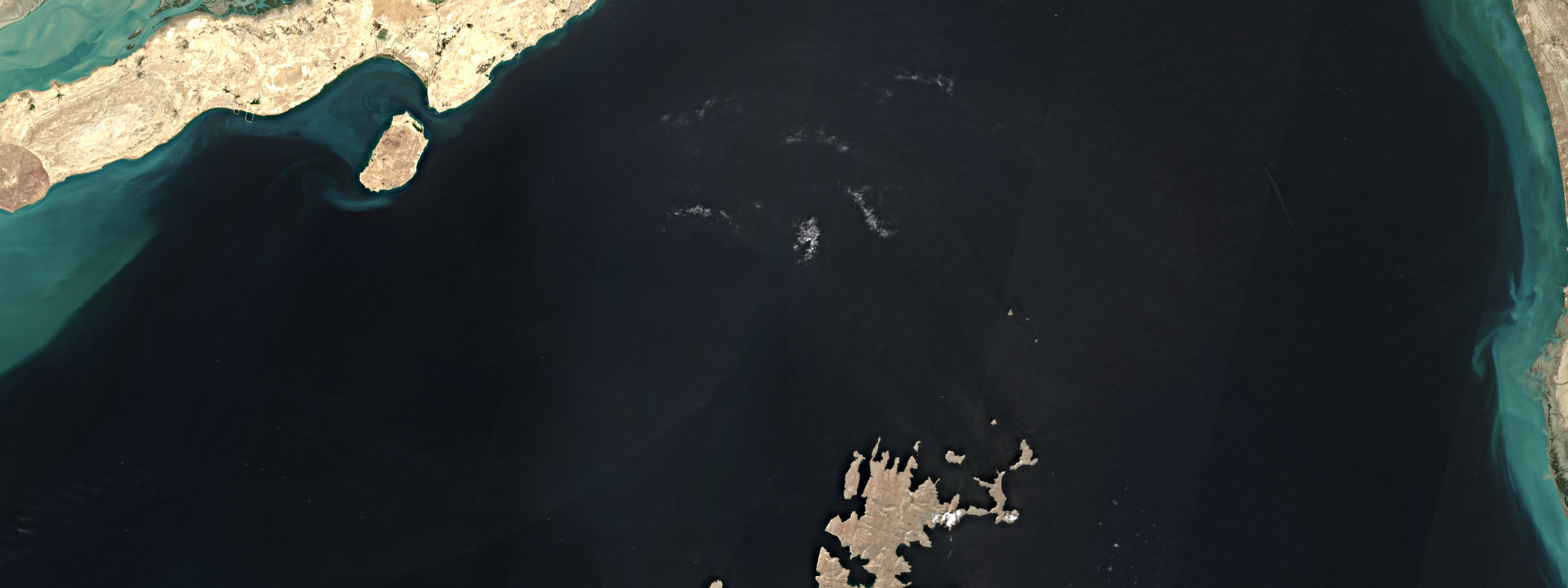
The Middle East Economic Monitor, updated each week, gives the latest growth, inflation, debt and fiscal projections for 18 economies from the Gulf to North Africa, how those projections have moved since the IMF's previous edition, and ship traffic through the Strait of Hormuz, the Bab el-Mandeb, the Suez Canal and the Bosporus. Each economy's page adds the latest monthly, weekly and daily readings: business surveys, inflation, the central bank's policy rate, foreign reserves, goods trade, port calls and seaborne exports, government-reported oil output, exchange rates and geopolitical risk. Oil producers' pages add crude output and prices; Iran's adds the open-market exchange rate and the Tehran Stock Exchange.
Special Reports measure costs that official statistics leave unpriced. The first, The Economic Cost of Dhimmitude, estimates what the subordination of religious minorities costs the majority societies of Iran, Egypt, and Malaysia.
Sources
- IMF World Economic Outlook
- Growth, inflation, government debt, fiscal and current-account balances, GDP and unemployment, October 2026 edition, with the April 2026 edition for comparison. Years after the latest actual are IMF projections.
- IMF PortWatch
- Daily ship transits through the region's chokepoints, from ship transponder signals. Vessels that switch their transponders off are not captured, so figures for blockaded or sanctioned trade understate it.
- US Energy Information Administration
- Crude oil production by country and the Europe Brent spot price, monthly.
- tgju.org
- Daily closing rate of the US dollar on Tehran's open market.
- Central banks and statistics offices
- Policy rates and consumer prices from each economy's central bank and national statistics office, read from their own releases, with the IMF's consumer price, reserves, trade, exchange rate and interest rate statistics and the Bank for International Settlements' policy rate and effective exchange rate series.
- Business surveys
- Purchasing managers' indexes from S&P Global, Riyad Bank, the Istanbul Chamber of Industry and the Iran Chamber of Commerce.
- Ports and oil
- Daily port calls and cargo at every port in each economy (IMF PortWatch); crude oil production and exports as governments report them to the Joint Organisations Data Initiative.
- Markets and risk
- World Bank commodity prices; the Federal Reserve Bank of New York's global supply chain pressure index; the Caldara and Iacoviello geopolitical risk index; the Tehran Stock Exchange main index.
The business press we read
Each week the unit follows the business and economy pages of national newspapers, business dailies, news agencies and trade publications in every economy it covers, in Arabic, Persian, Hebrew, Turkish, French and English. State-owned outlets serve as a source for official statements.
- Saudi Arabia
- Okaz, Saudi Gazette
- United Arab Emirates
- Emarat Al Youm, Gulf News, Khaleej Times, Seatrade Maritime News, The National
- Qatar
- Al Raya, Gulf Times, Qatar Tribune, Seatrade Maritime News
- Kuwait
- Al Anba, Al Jarida, Al Rai, Arab Times, Kuwait Times, Times Kuwait
- Bahrain
- Al Bilad, The Daily Tribune
- Oman
- Al Roya, OERLive, Oman Daily, Oman Observer, Times of Oman
- Iran
- Jahan-e Sanat, Tejarat News
- Iraq
- Al-Sabah, Alsumaria, Iraq Business News, Iraq Oil Report, Shafaq News
- Israel
- Globes, The Jerusalem Post, Ynet
- Jordan
- Ammon News
- Egypt
- Al Borsa, Daily News Egypt, Enterprise
- Turkey
- Bloomberg HT, Dunya, Ekonomim, Foreks Haber, Hürriyet, Hürriyet Daily News
- Libya
- Libya Herald, Sada
- Algeria
- TSA
- Morocco
- La Vie éco, Le Matin, Les Inspirations Éco
- Tunisia
- Business News, Le Temps News, L’Économiste Maghrébin, Managers
- Yemen
- Aden Al-Ghad, Economic Media, NewsYemen, Saba News Agency
- Sudan
- Ayin Network, Dabanga
Schedule
The monitor is refreshed each Monday; daily and weekly series are updated at each refresh. Each page shows the date of its latest figures and the IMF edition it uses.